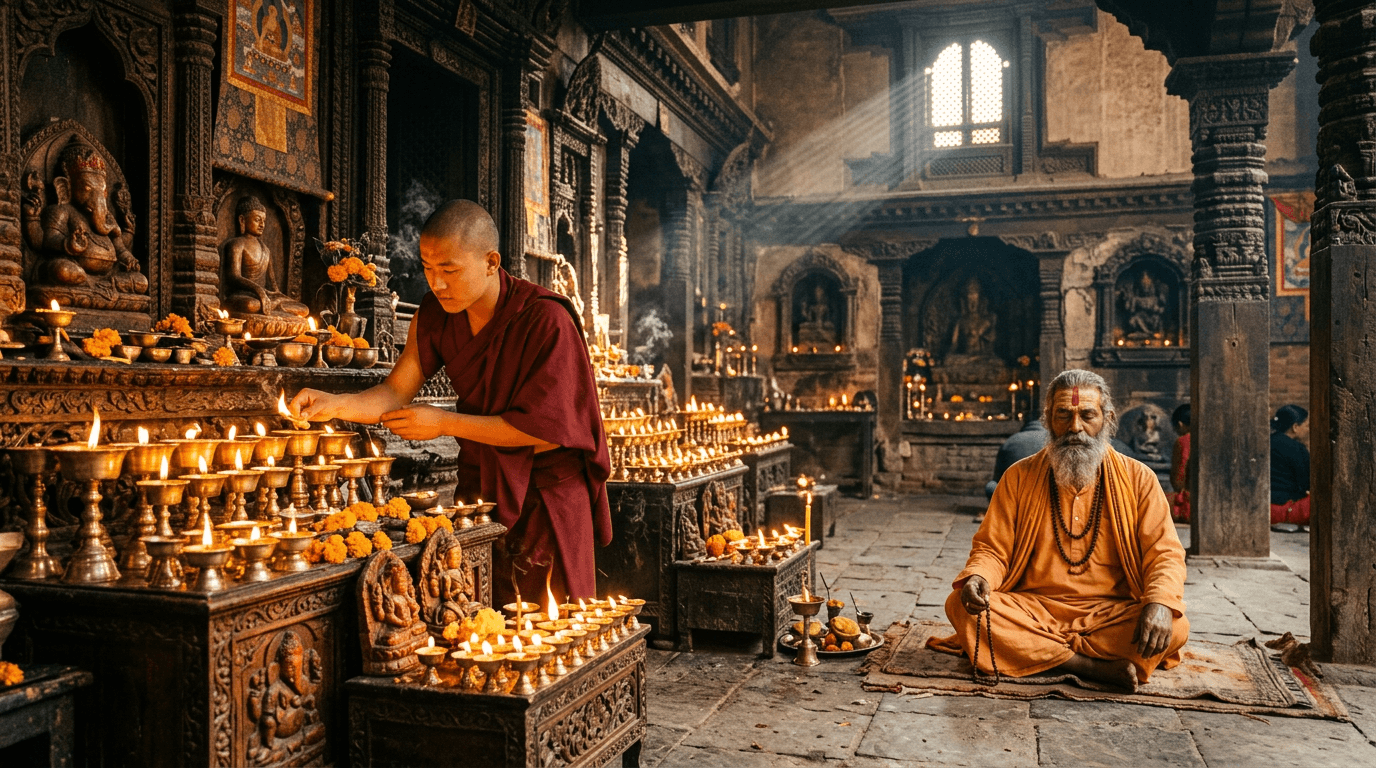
In Nepal, temples and stupas often share the same skyline. Hinduism and Buddhism have influenced each other for centuries, and for many families the sacred is simply part of the week — lamps at dawn, a monastery pass on the trail, a festival day that belongs to everyone.
Lumbini, in the Terai, is honored as the birthplace of Siddhartha Gautama — the Buddha — and is protected as a UNESCO World Heritage property amid gardens, monastic zones, and the archaeological markers of an ancient pilgrimage center. Hindu devotion, meanwhile, draws millions toward shrines such as Pashupatinath on the Bagmati and the high-altitude Muktinath sanctuary where earth, wind, fire, and water are part of the ritual landscape. Stupas with painted eyes and tiered temple roofs can stand within minutes of each other; prayer flags flutter beside brass oil lamps.
Daily practice tends to be tactile and timed: offerings at a household altar, a quick circumambulation before work, the sound of bells at festival chariots. Monastic life continues in mountain valleys, while cities fill with pilgrims, tourists, and residents who may neither label nor separate what they do when they light a lamp or bow at a threshold.
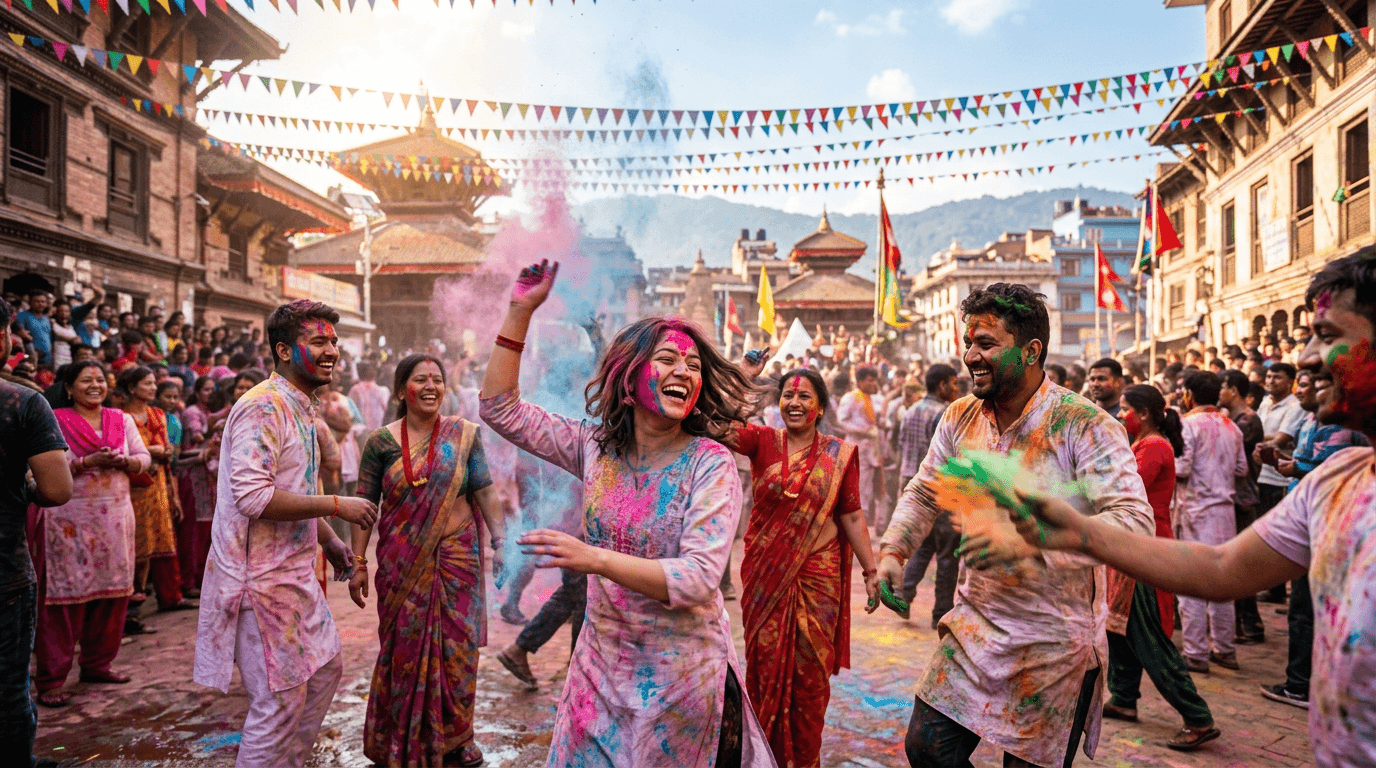
Nepal’s constitution has framed the state as secular while safeguarding religious freedom; in lived experience that often means mutual recognition in neighborhoods, intermarriage across traditions, and shared public holidays that turn streets into processions. Spirituality here is as likely to appear in a grandmother’s recipe for a fast day as in a monk’s debate class.
Historical & cultural context
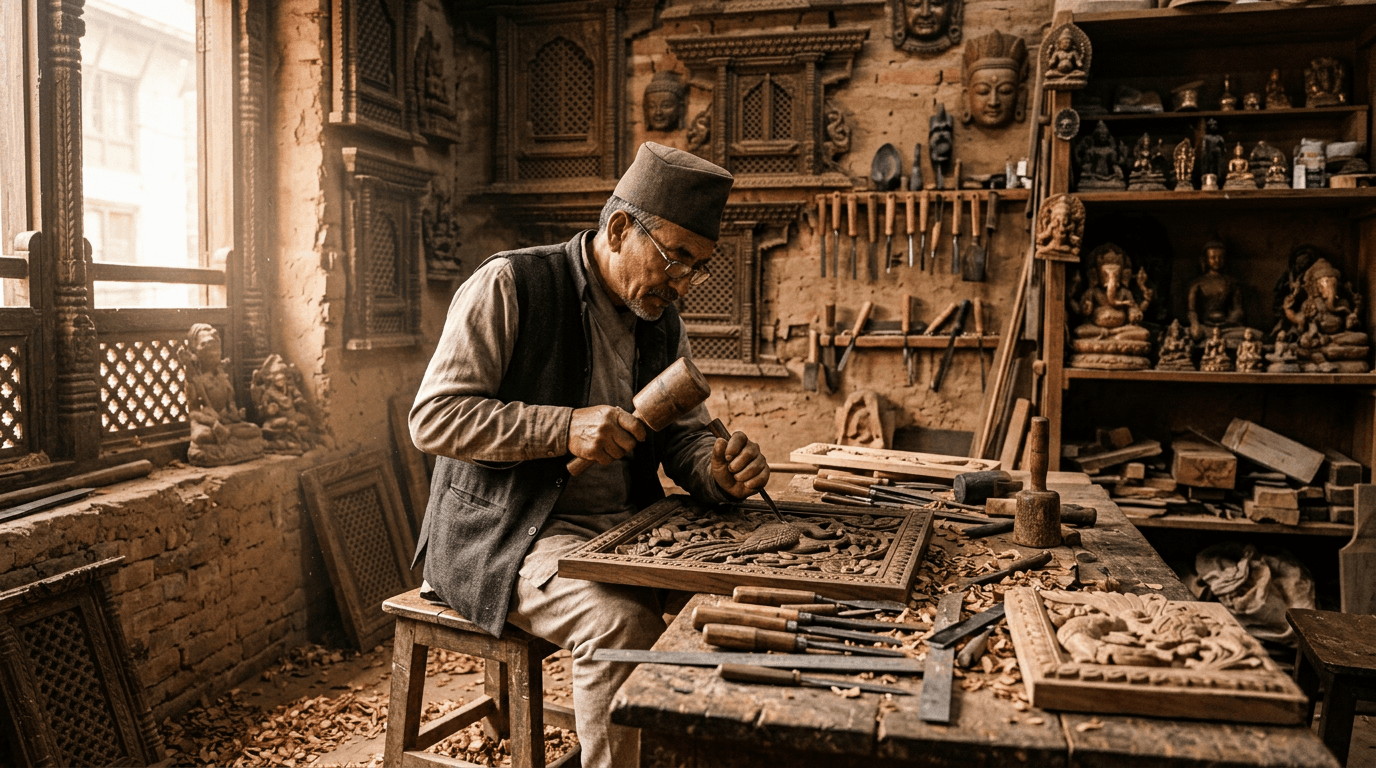
The Kathmandu Valley alone concentrates seven UNESCO-inscribed monument zones where Malla-era kings and Newar artisans fused Hindu and Buddhist iconography in brick, timber, and bronze. Across the hills, oral histories preserved in families and monastic records echo what foreign chroniclers and later scholars described: a Himalayan corridor where Sanskrit learning, tantric practice, and Tibetan Buddhism traded influences long before modern borders. That depth is why Lumbini and the valley temples are not frozen relics but anchors for continuing ritual economies — flower sellers, metalworkers, musicians — that still pay rent in faith.
Here the sacred is not a slogan — it is footsteps on brick, smoke at dusk, and the hush before the drum begins.
Photo Gallery
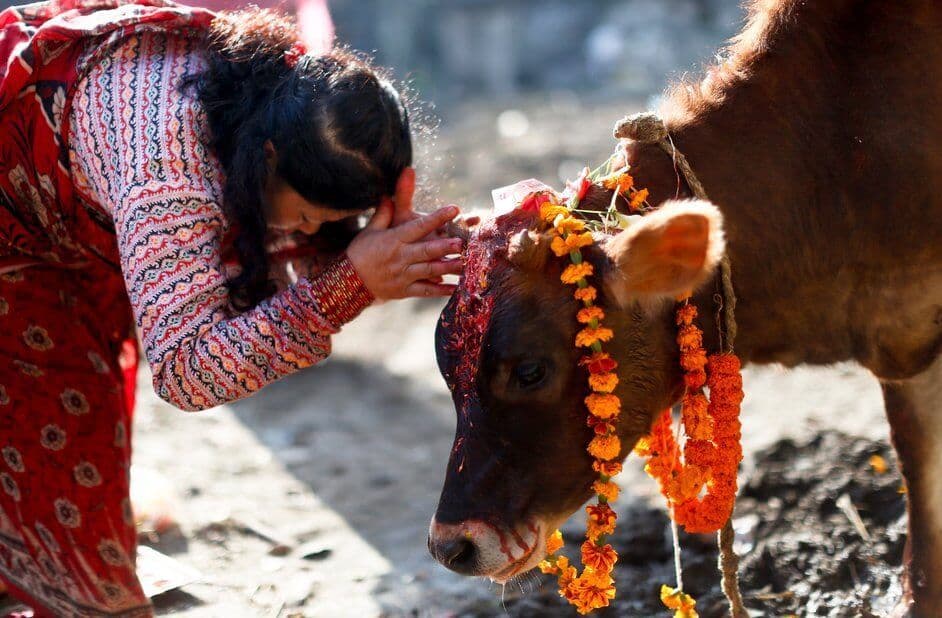
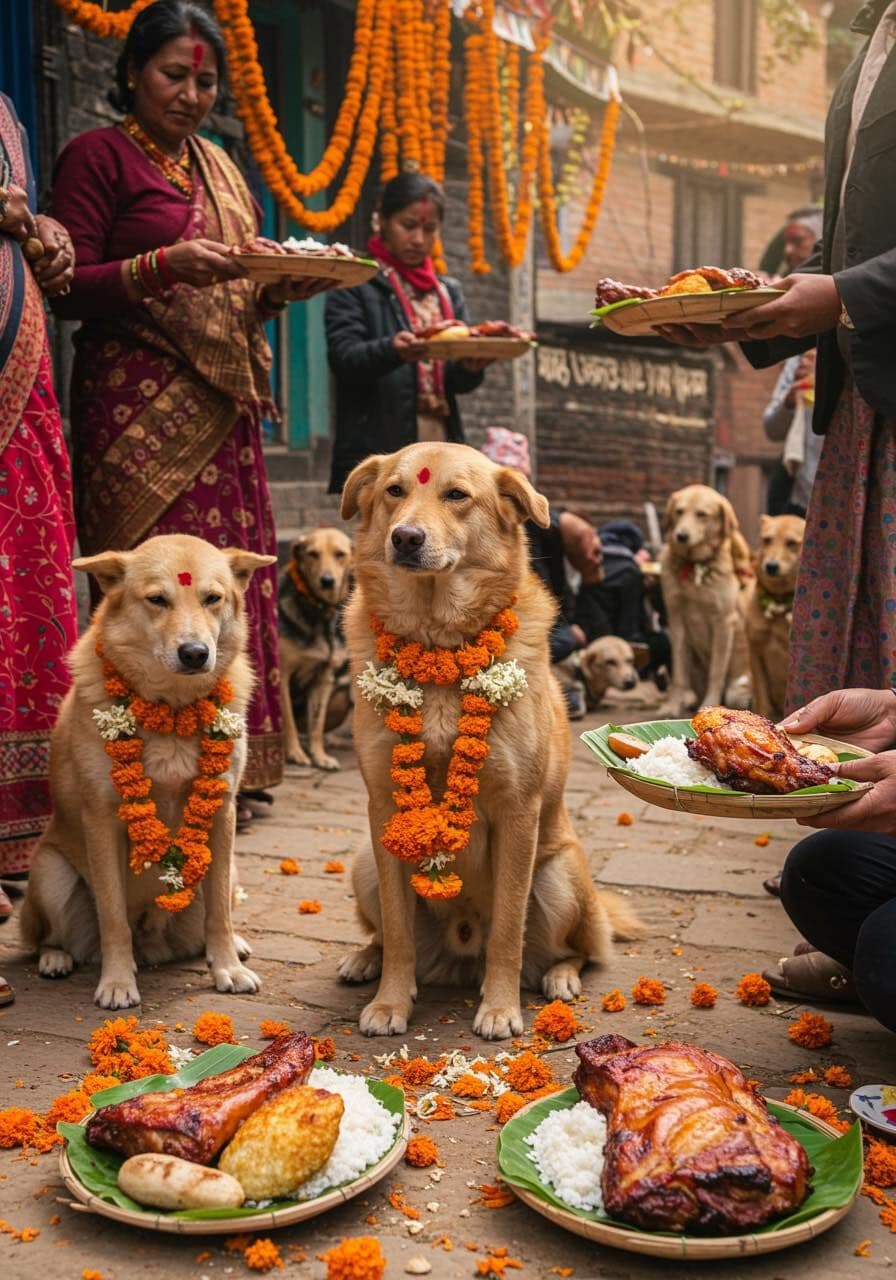
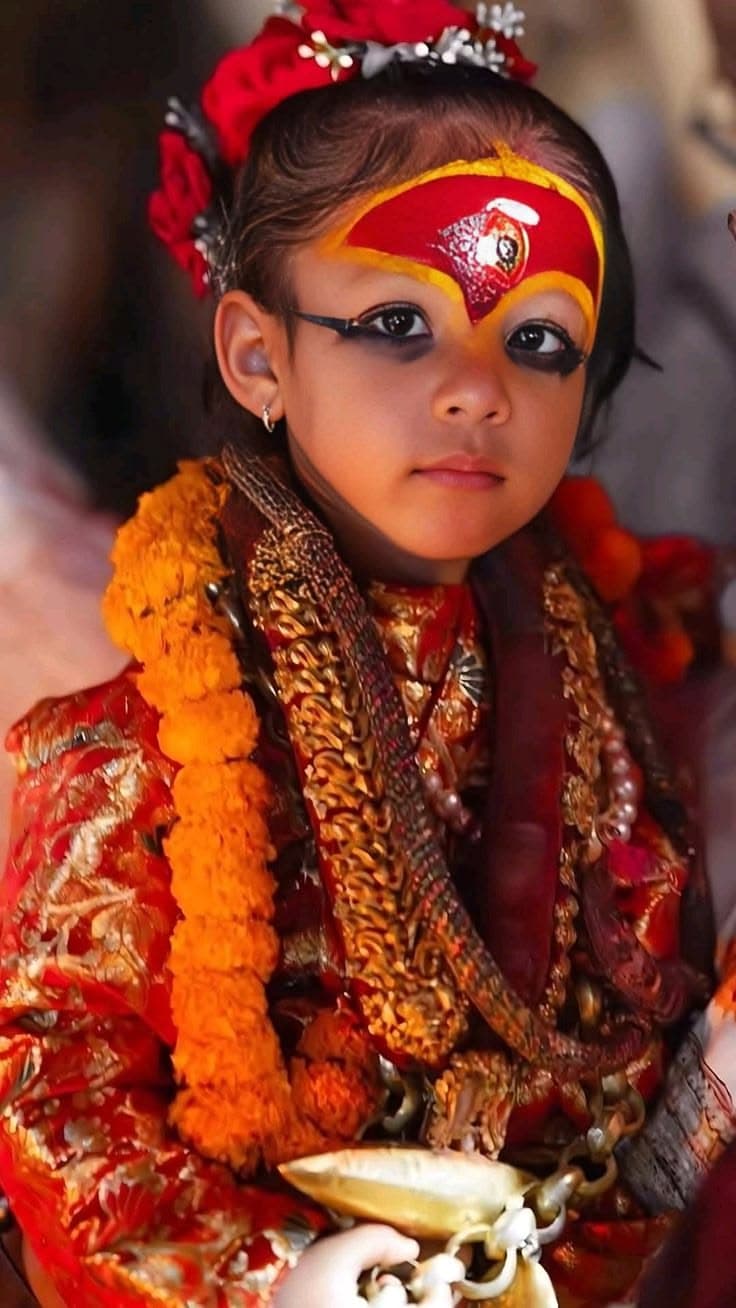
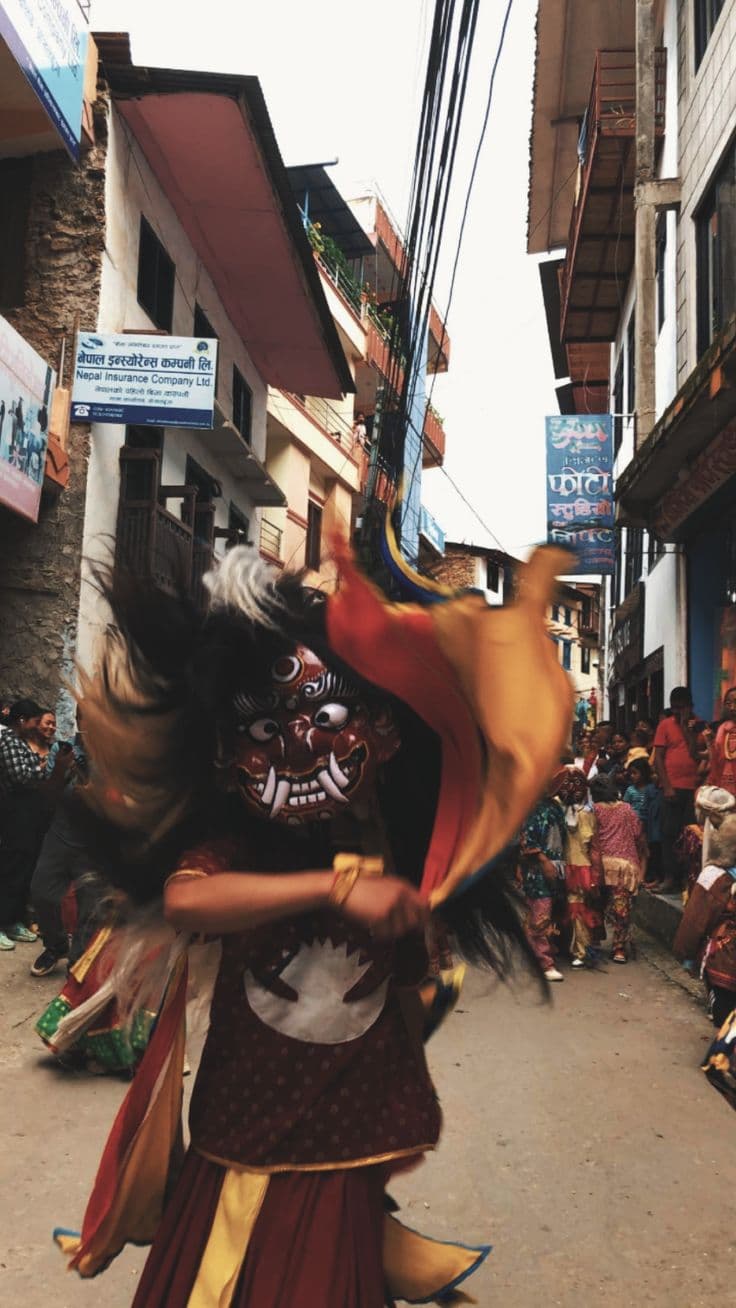
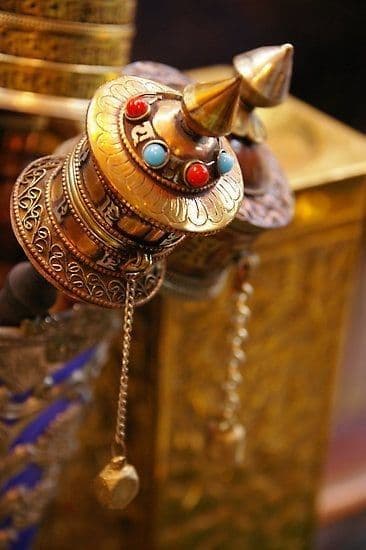
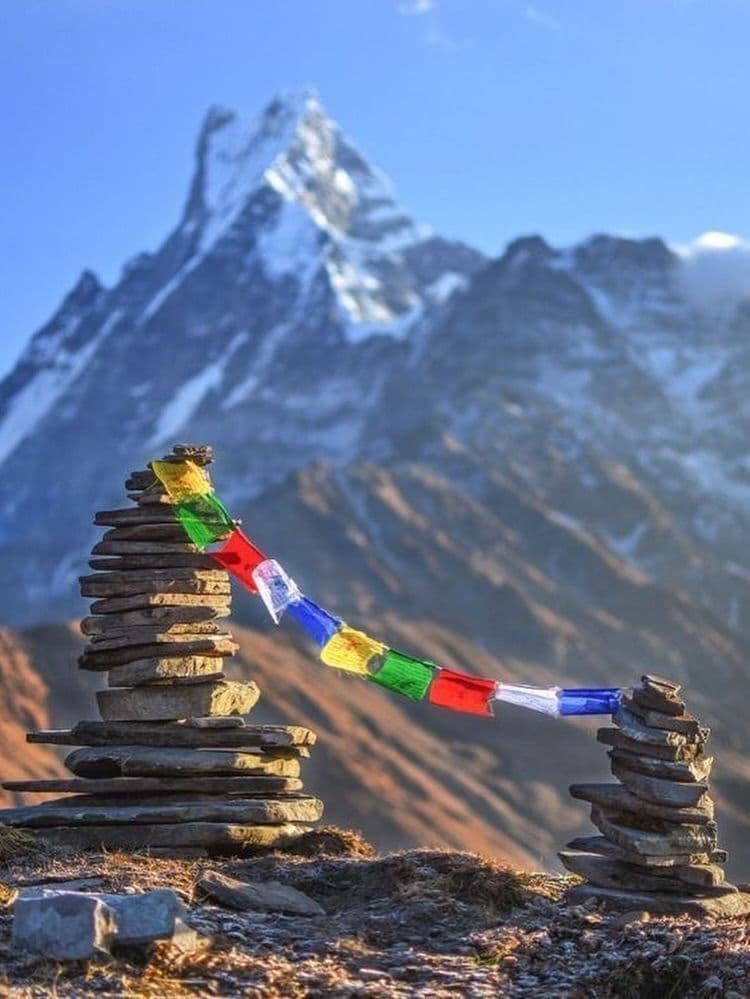
Light, stone, and gesture — glimpses of how belief is built into Nepal’s spaces and days.
Places Where This Story Lives
Sacred geography spans from the Terai birthplace of the Buddha to sky-high shrines on the Tibetan frontier.
Cultural Highlights
Quick reference points — Nepal’s depth is always larger than a headline.
1
Birthplace of the Buddha
Lumbini anchors Buddhist pilgrimage for the world.
∞
Shared sacred sites
Hindu and Buddhist devotion often overlap in the same family or square.
365
Days of ritual
Festivals, fasts, and life-cycle rites mark the Nepali calendar.
77
Districts of devotion
Every district holds shrines, flags, or stories the map does not fully show.
More to read
Continue with related themes — each story is a doorway into a different side of Nepal.
SpotNepal
Keep exploring
Browse more stories, watch clips from across districts, or add your own perspective.