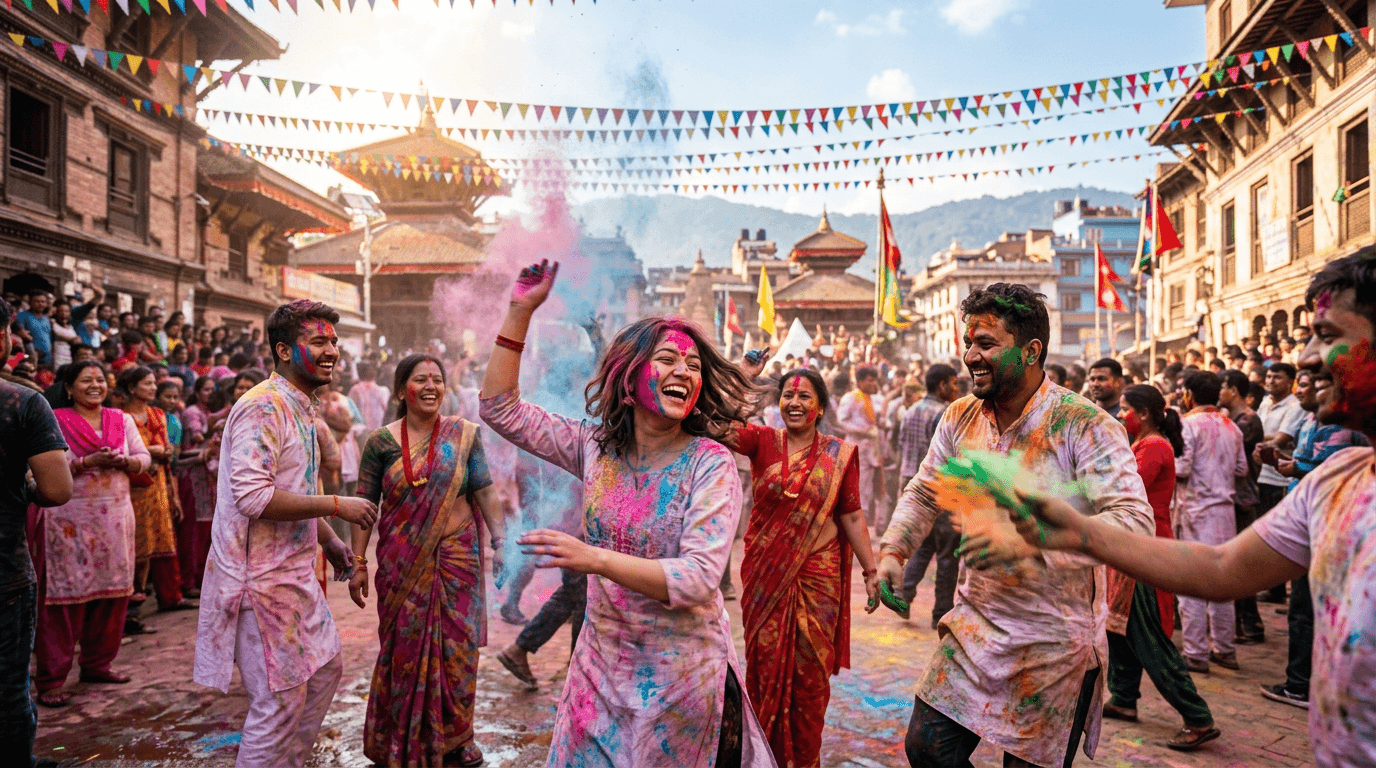
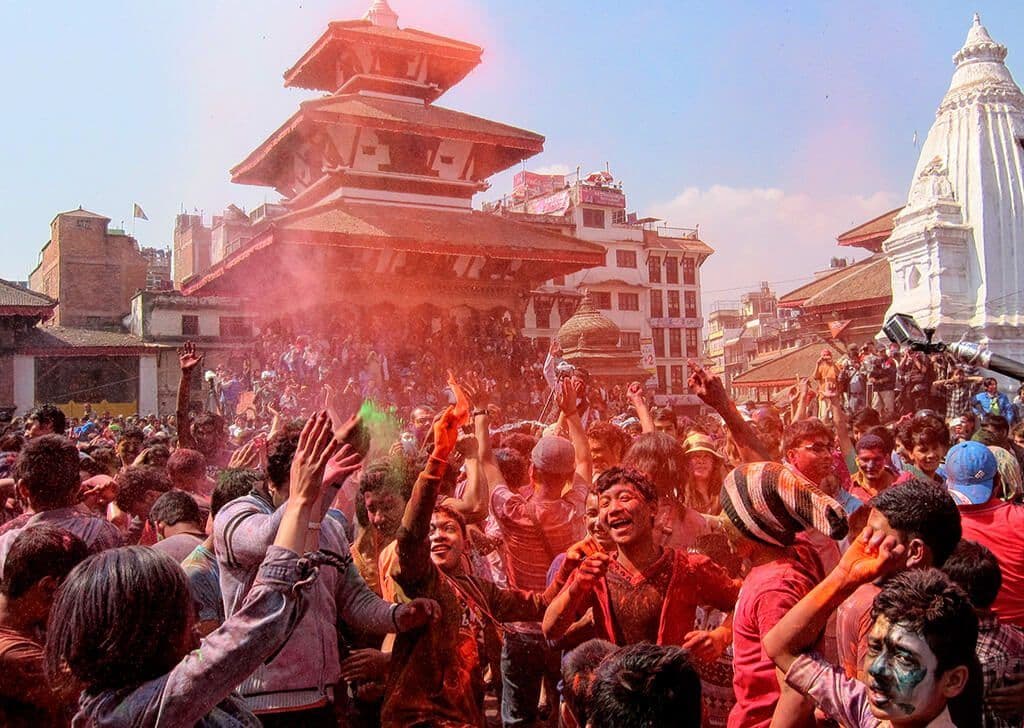
Nepal’s calendar is crowded with reasons to come home. National holidays such as Dashain and Tihar pause offices and fill buses; Holi throws color across courtyards; neighborhood jatras turn city squares into moving theaters of gods and drums.
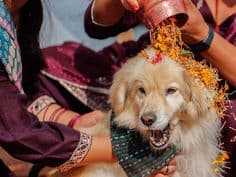
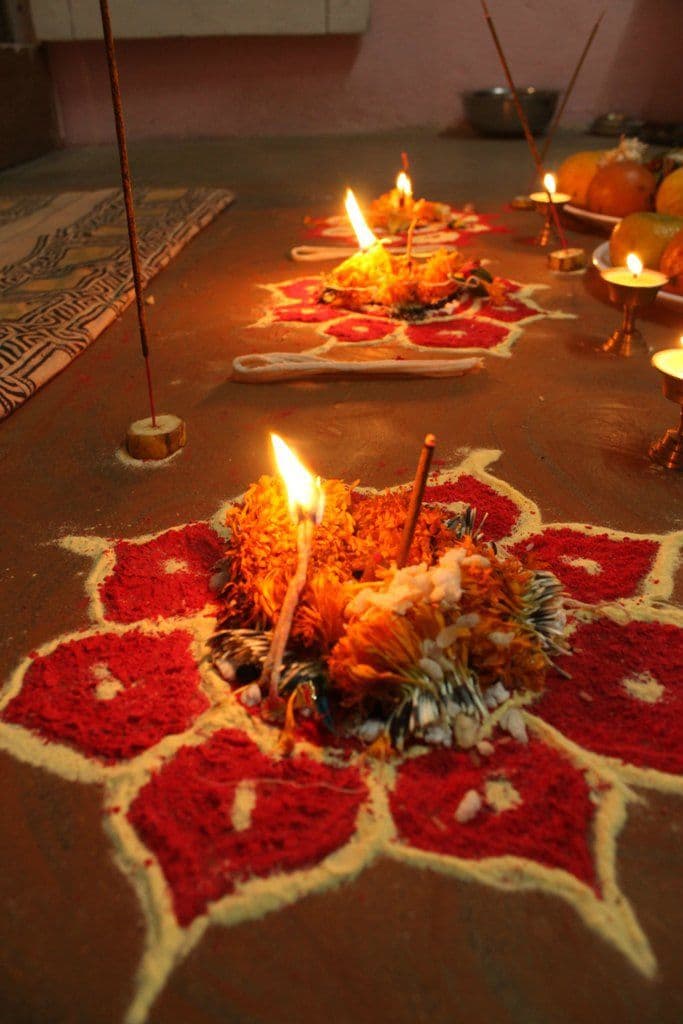
Dashain, linked to victory and renewal in the great goddess traditions, sends migrant workers on long rides back to villages for tika and jamara. Tihar follows with lamps, crow and dog days that sound whimsical yet bind ethics to the non-human world, and evenings of deusi and bhailo singing for grain or goodwill. Holi marks spring’s turn; in the Terai, Chhath brings families to riverbanks before sunrise in devotion to the sun.
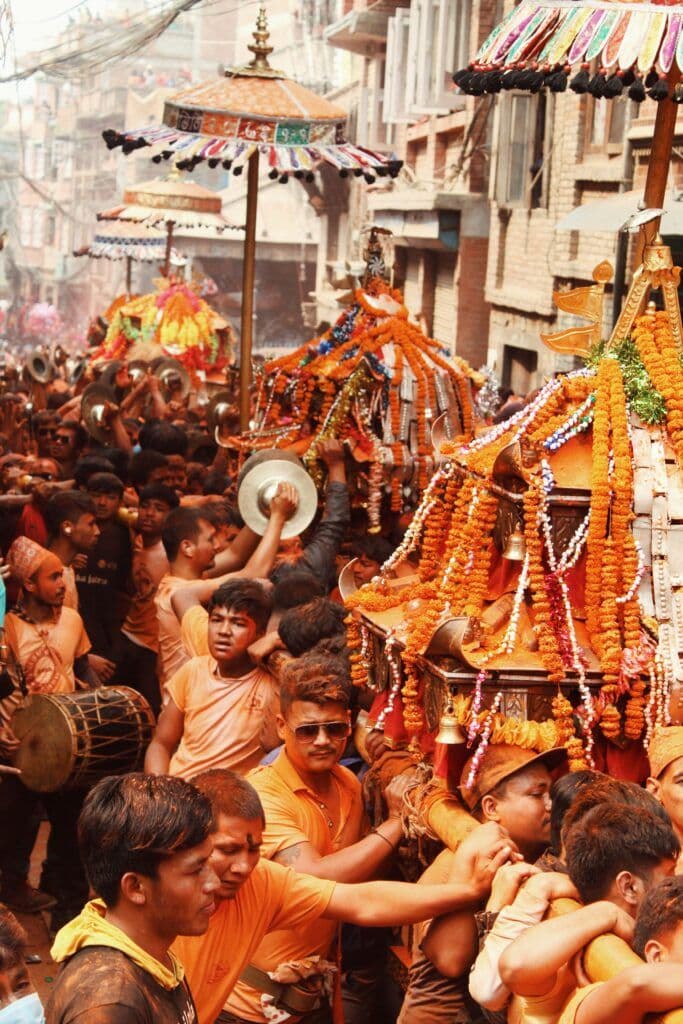
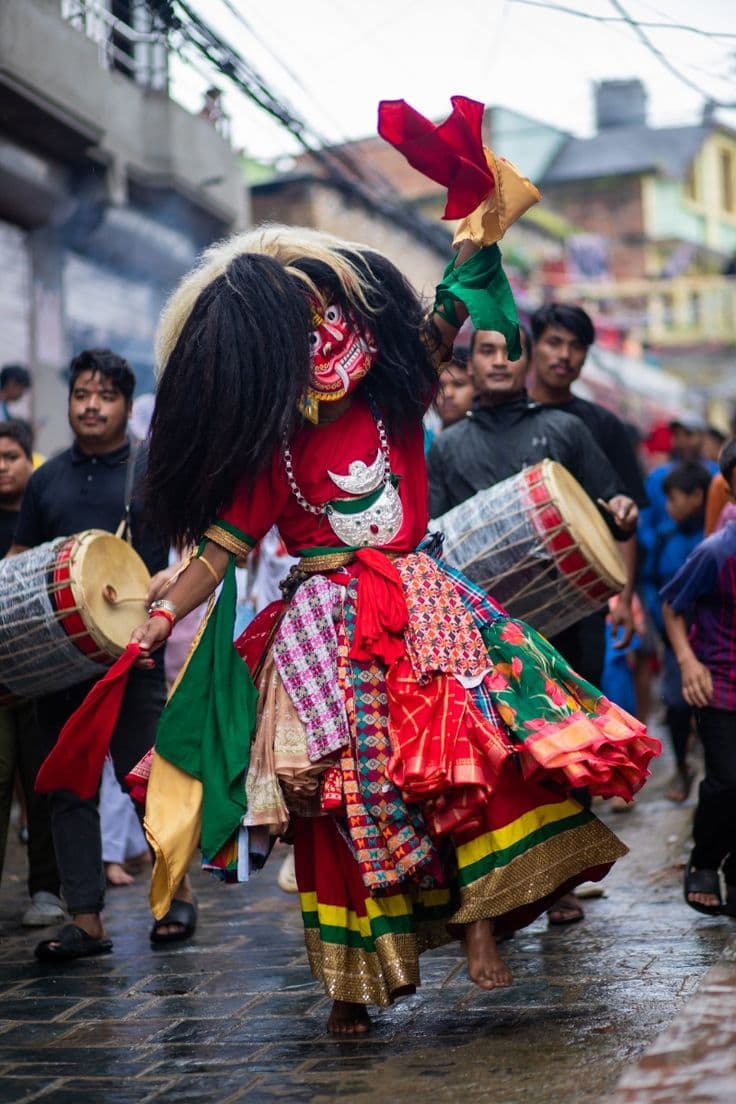
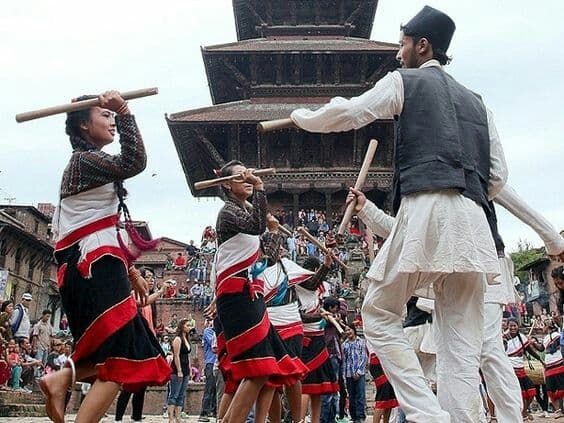
Beyond the headlines lie hundreds of local fairs: Indra Jatra’s masked Lakhe dancers and the living goddess Kumari’s chariot in Kathmandu; Bisket Jatra’s tug-of-war with history in Bhaktapur; harvest melas where football, film on a bedsheet, and brass bands share the same dust. Agricultural rhythm still sets the beat — post-monsoon clarity, winter weddings, pre-monsoon heat — even when remittances and school schedules rearrange who can attend.
Festivals are infrastructure: extra cooks, borrowed speakers, cooperatives that pool money for lights. They are also memory — which aunt leads the song, which ward sponsors the chariot — stored not in manuals but in bodies that remember when to show up.
Historical & cultural context
Valley Newar chronicles and British-era travel diaries alike describe jatras as civic contracts as much as religious drama: guilds funded deities, kings lent legitimacy, and towns measured status by who could stage the largest festival. UNESCO’s recognition of Kathmandu Valley culture underscores that these events are not folkloric leftovers but living urban systems — traffic detours, artisan wages, and seasonal migration patterns still orbit the festival clock today.
When the lights go up, Nepal remembers it is not one clock but many — all ticking toward the next reunion.
Photo Gallery
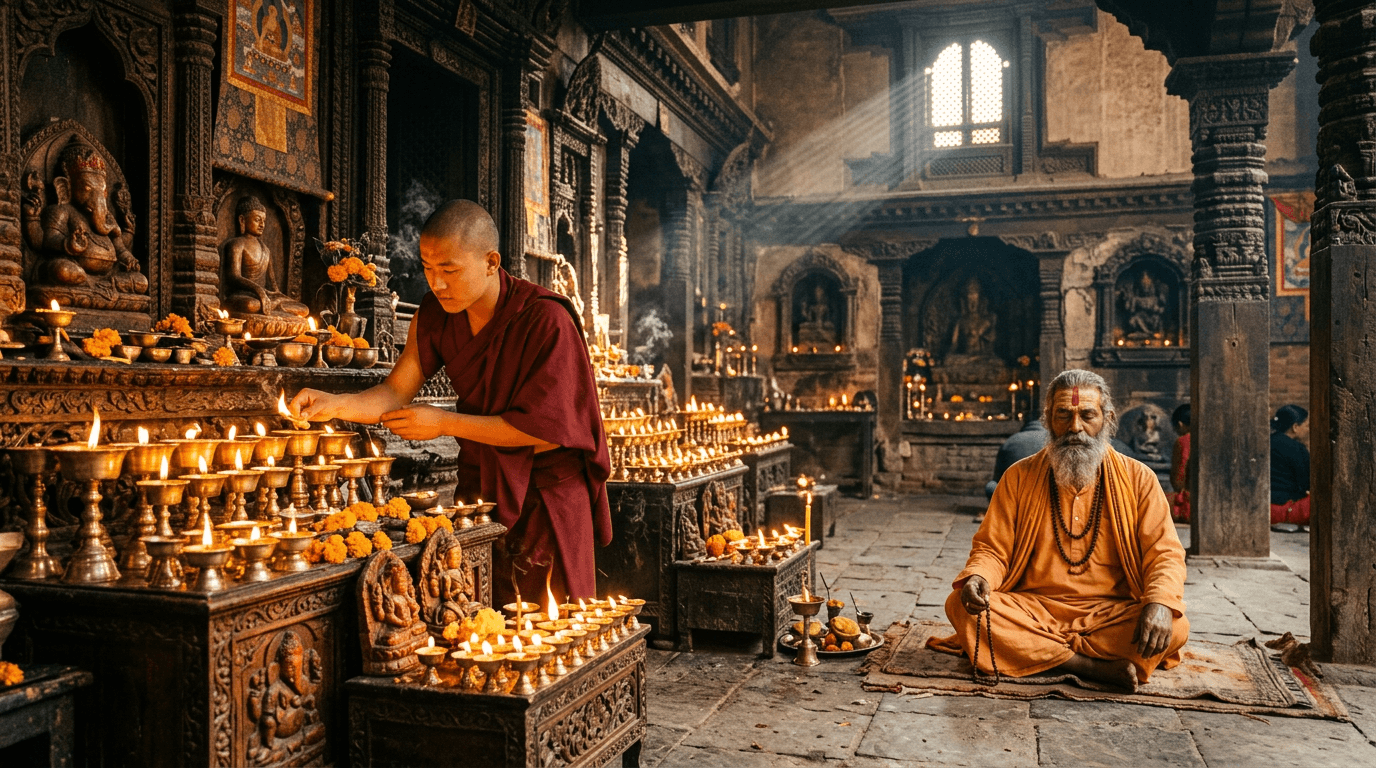
Color, crowd, and light — editorial frames from the kinds of nights and days when Nepal celebrates together.
Places Where This Story Lives
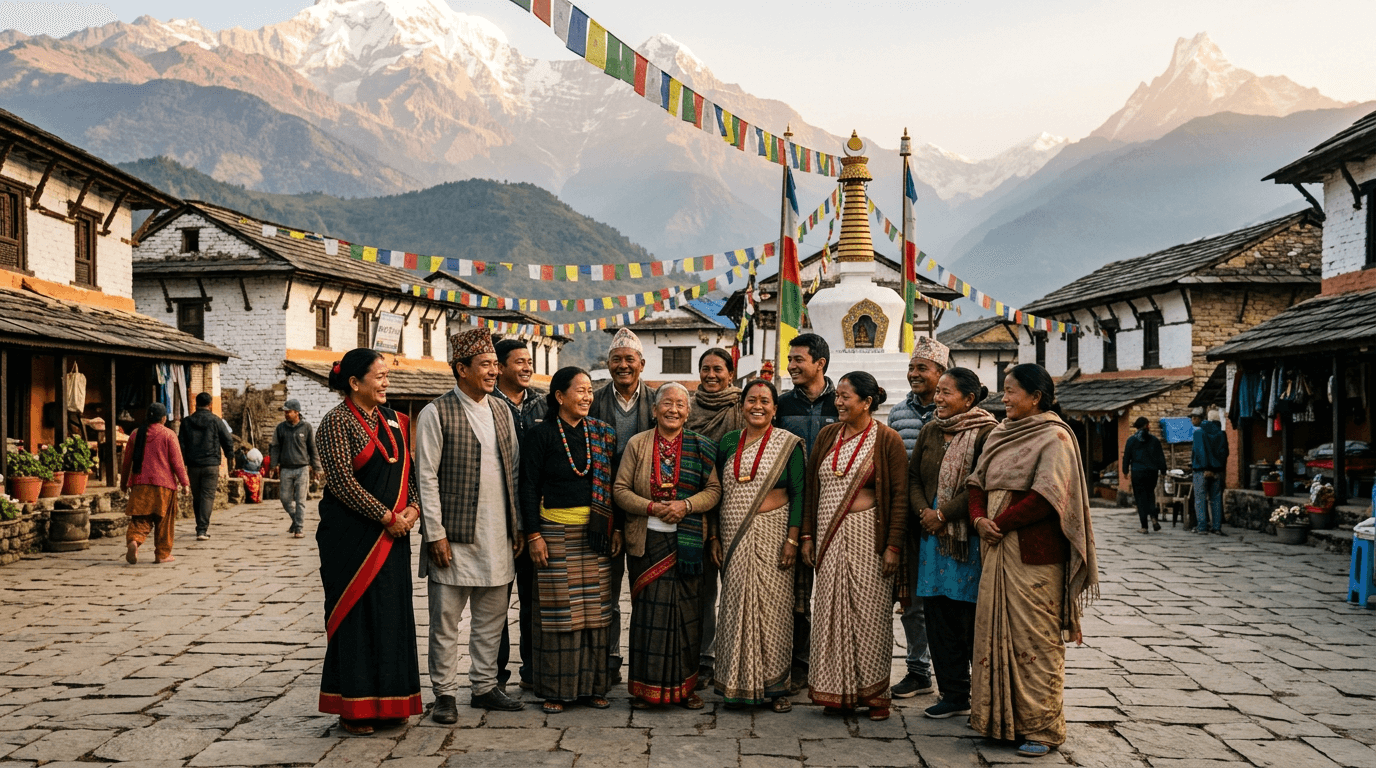
Each region tunes the same national holidays to its own instruments, foods, and street routes.
Cultural Highlights
Quick reference points — Nepal’s depth is always larger than a headline.
2
National peak seasons
Dashain and Tihar reshape travel, kitchens, and remittance flows.
100+
Local calendars
Jatras and village fairs layer on top of the shared holidays.
3
Belts, many moods
Himal, Pahad, Terai — same festival, different weather and ingredients.
∞
Return migration
Festivals are when buses fill and roofs fill with cousins again.
More to read
Continue with related themes — each story is a doorway into a different side of Nepal.
SpotNepal
Keep exploring
Browse more stories, watch clips from across districts, or add your own perspective.