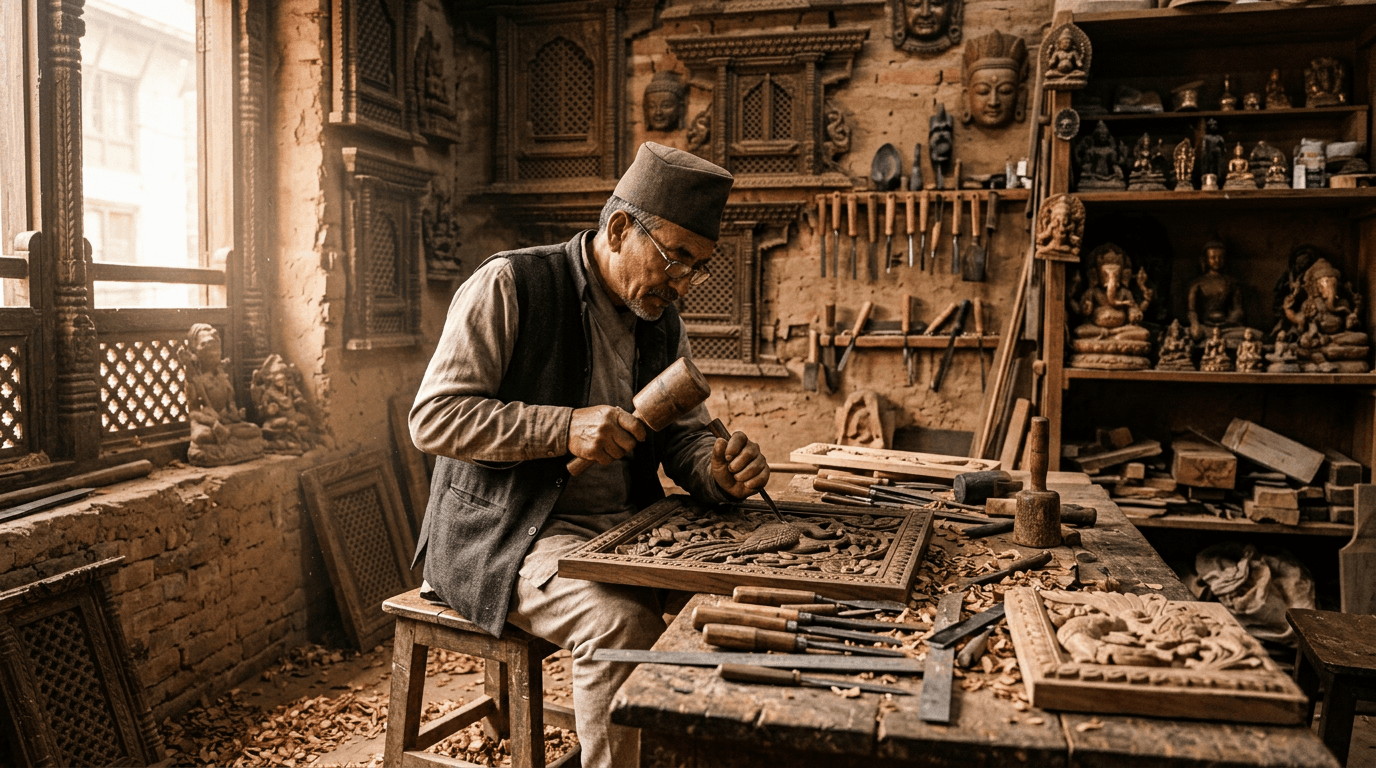
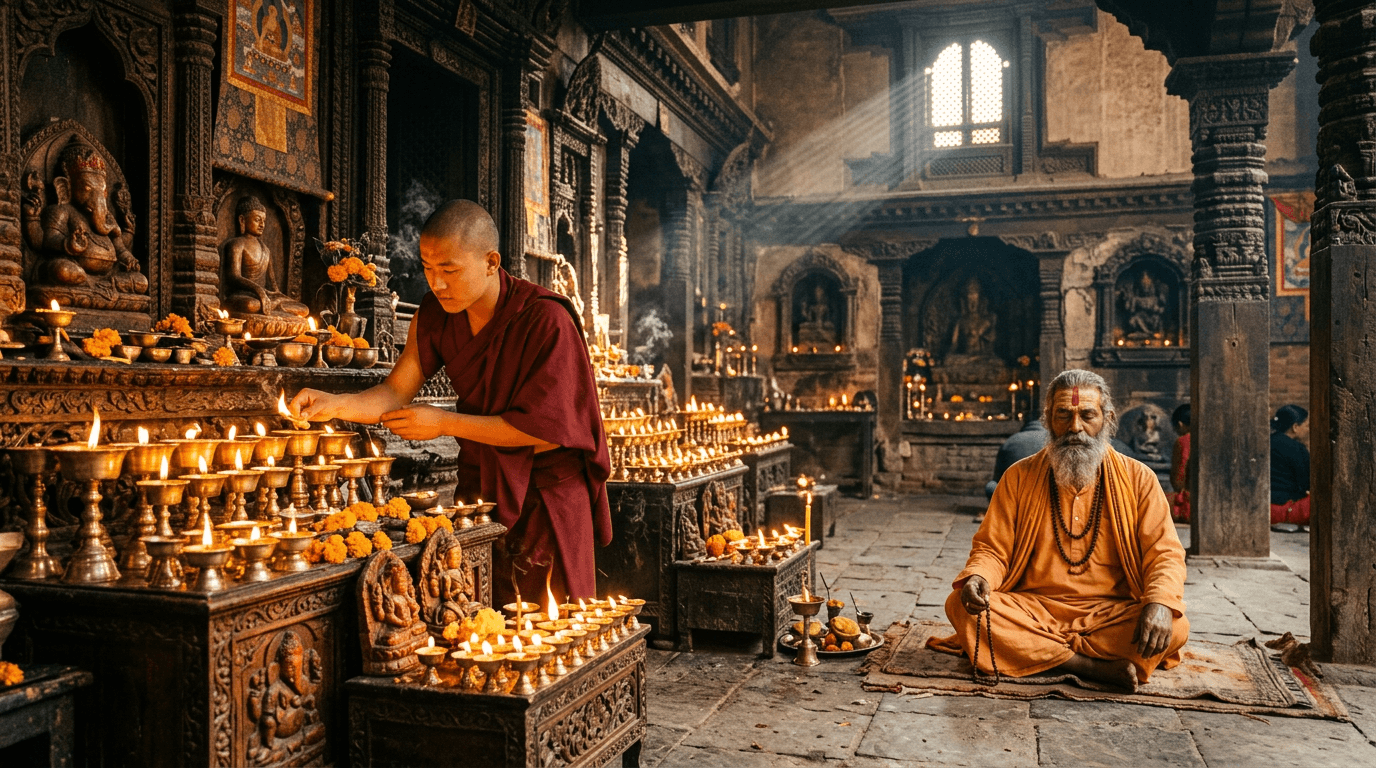
Nepal’s art is rarely locked behind glass. It leans in doorways, rings from wedding bands, and sells from workshops where chisels never cool. Memory here is something you can touch — wood, bronze, loom, throat.
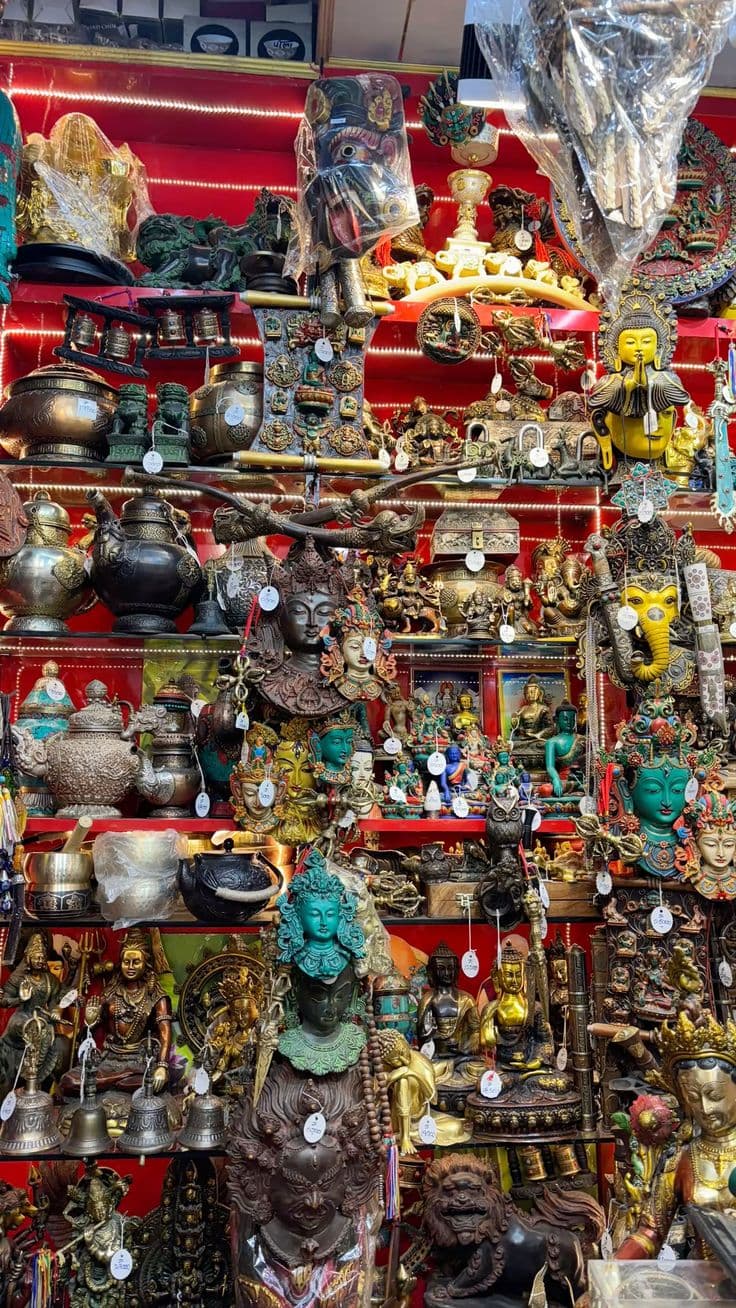
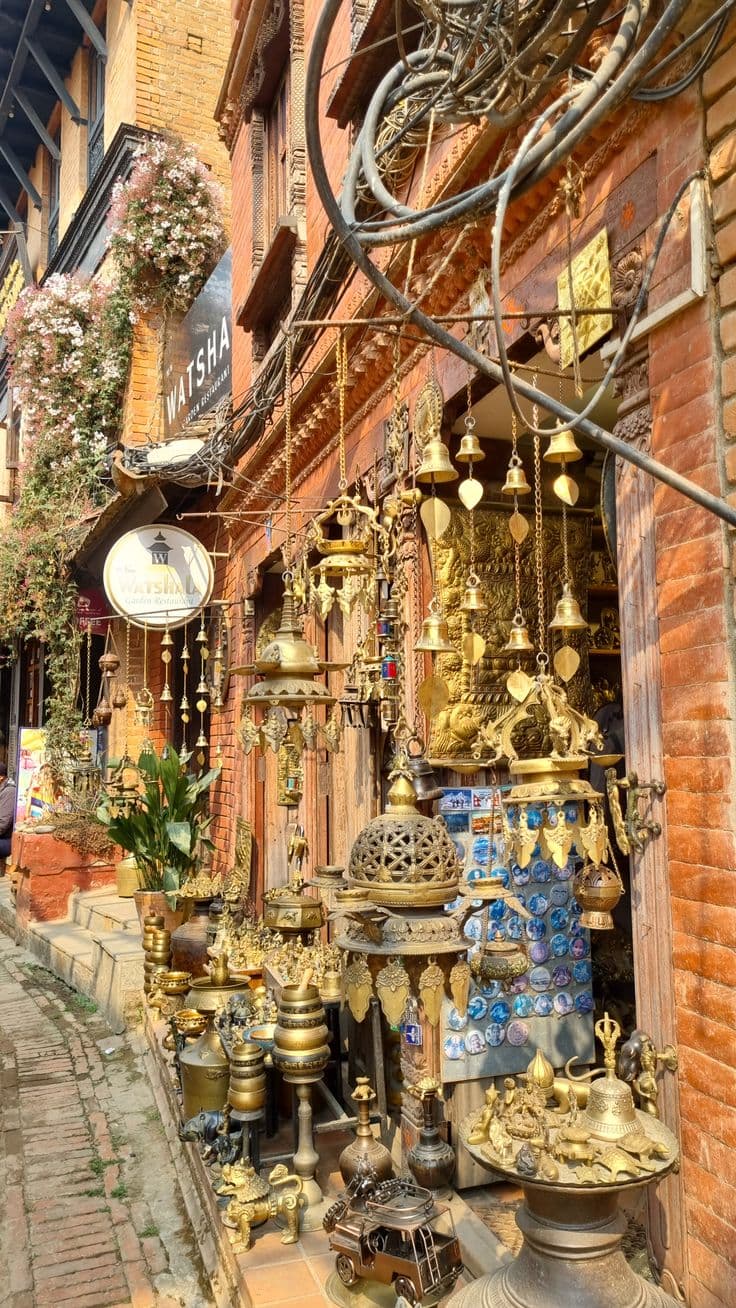
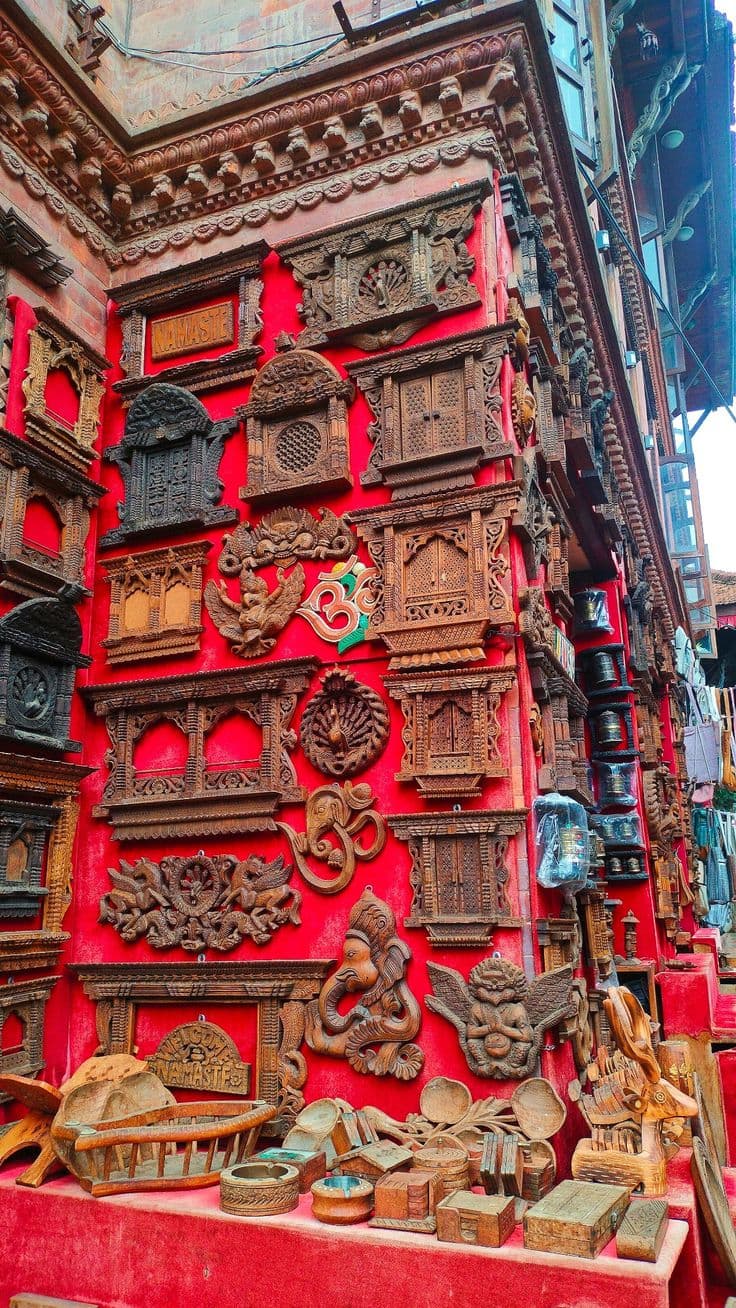
Newar master builders gave the Kathmandu Valley its carved windows, struts of deities, and lost-wax bronzes that temples still commission. Dhaka weavers pattern cloth into topis and saris that signal weddings and wards. Tharu communities carry stick dances and painted homesteads; Sherpa voices carry song cycles tied to passes and seasons. Each form encodes technique — angle of chisel, tension of warp — that apprentices learn by watching, not by PDF.
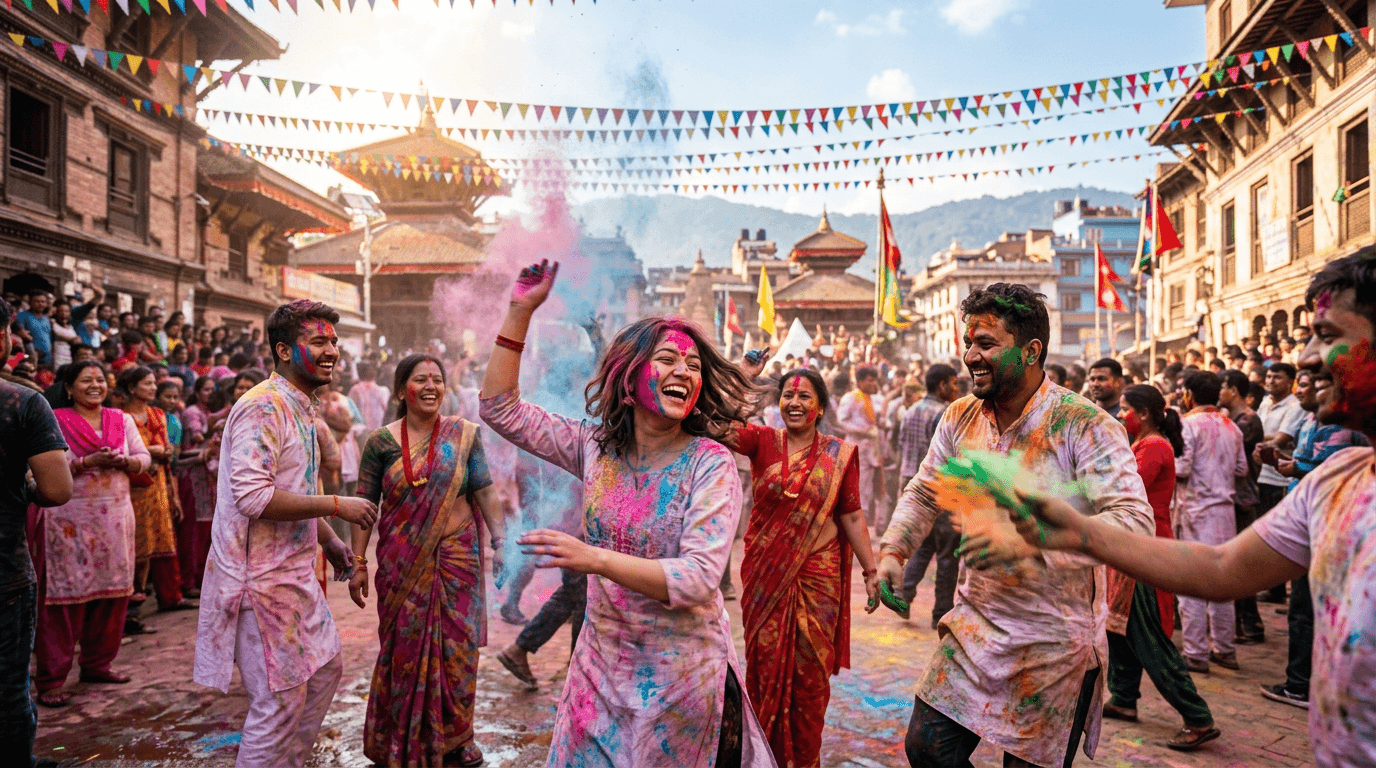
Music moves from dohori duets in roadside tents to film songs blasted at melas to experimental studios in Patan. Literature in Nepali and in mother tongues argues with what the nation should look like on the page. Young directors shoot on phones; truck painters still letter slogans beside lotus and lion motifs.
Preservation is a live argument: UNESCO sites need conservation chemistry; artisans need fair wages; TikTok remixes folk audio in seconds. Culture survives not because it is sealed, but because someone decides the next generation should still know the tune.
Historical & cultural context
The seven monument zones of the Kathmandu Valley World Heritage listing document not isolated temples but entire urban fabrics — carving guilds, festival calendars, and water spouts — whose continuity depends on living wages for craftspeople. National archives and community museums across Nepal hold palm-leaf manuscripts and royal edicts, yet the louder archive may be the workshop: where a strut pattern is corrected by eye, and where a grandmother’s lyric about a specific river survives because someone hums it while cooking.
What Nepal remembers, it carves, weaves, and sings — then hands across the table without ceremony.
Photo Gallery
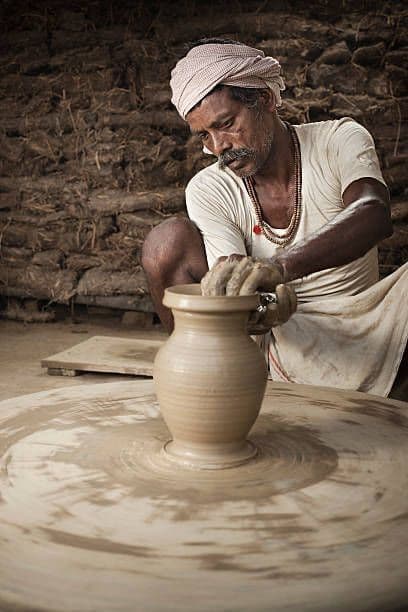
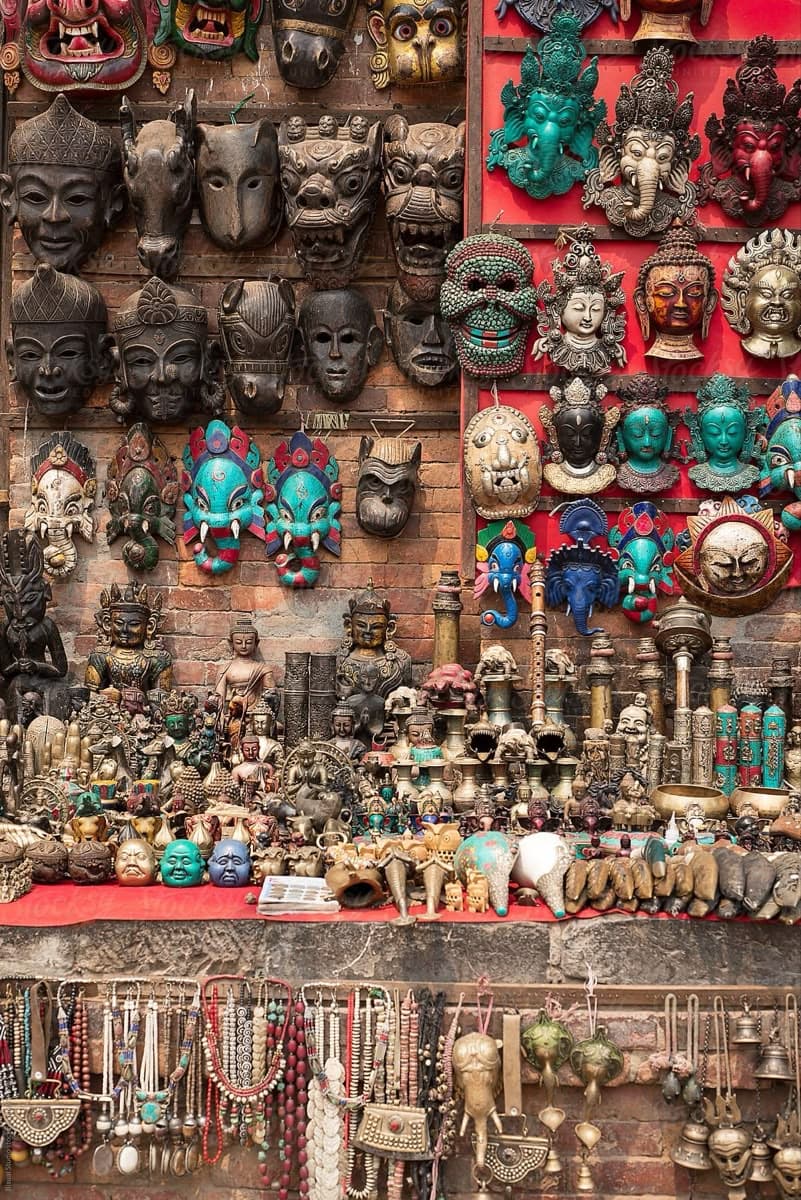
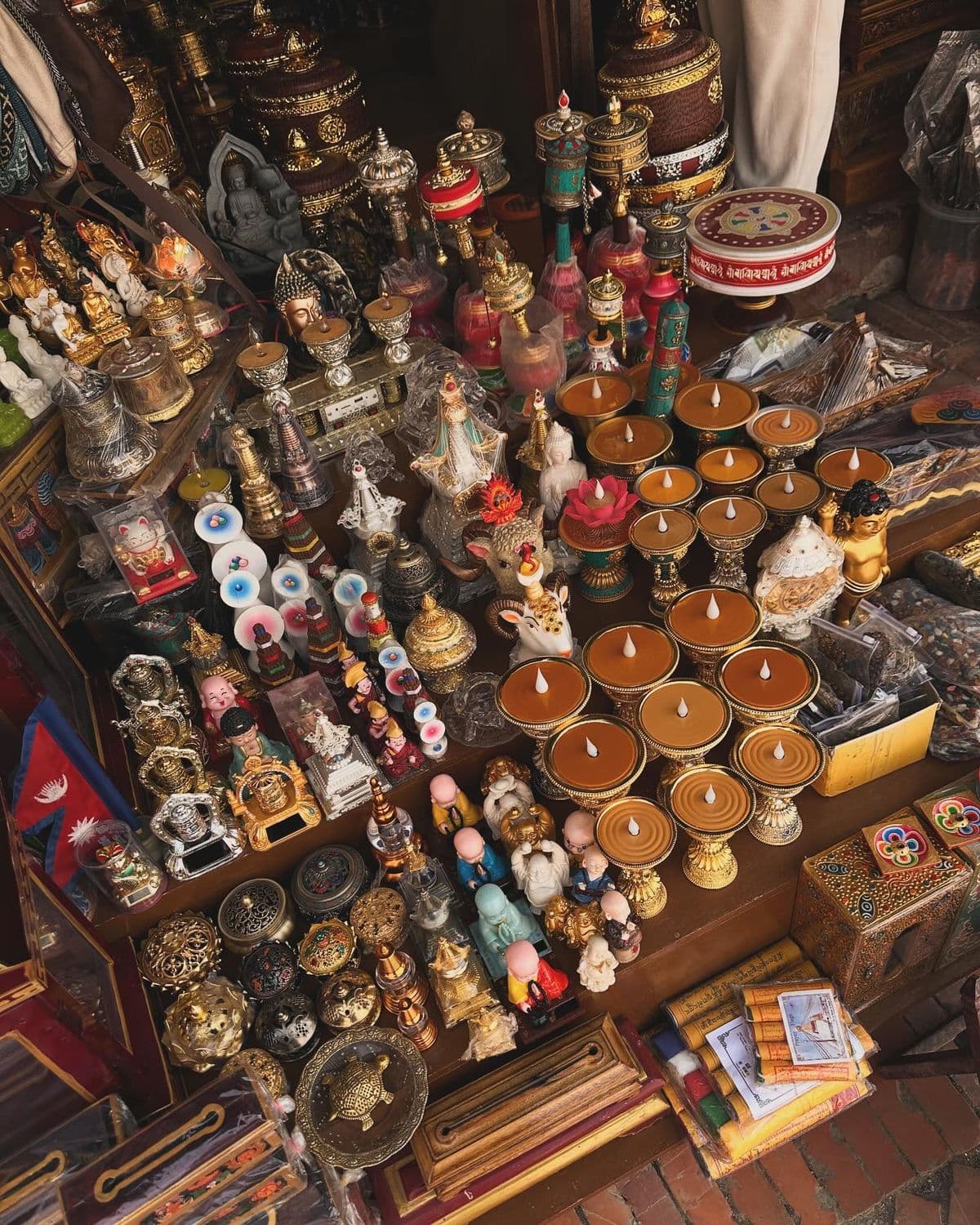
Workshop light, pigment, and performance — craft and art as daily practice.
Places Where This Story Lives
Some towns are synonyms for a craft — others hide master makers in plain alleys.
Cultural Highlights
Quick reference points — Nepal’s depth is always larger than a headline.
1000+
Years of carving
Living workshops still cut wood like medieval struts demanded.
∞
Songs in transit
Lyrics map place; playlists now carry them across borders.
7
Provinces of style
Federal map overlays distinct craft ecologies and markets.
24/7
Creative scene
Studios and sets never sleep in the valley’s young cities.
More to read
Continue with related themes — each story is a doorway into a different side of Nepal.
SpotNepal
Keep exploring
Browse more stories, watch clips from across districts, or add your own perspective.