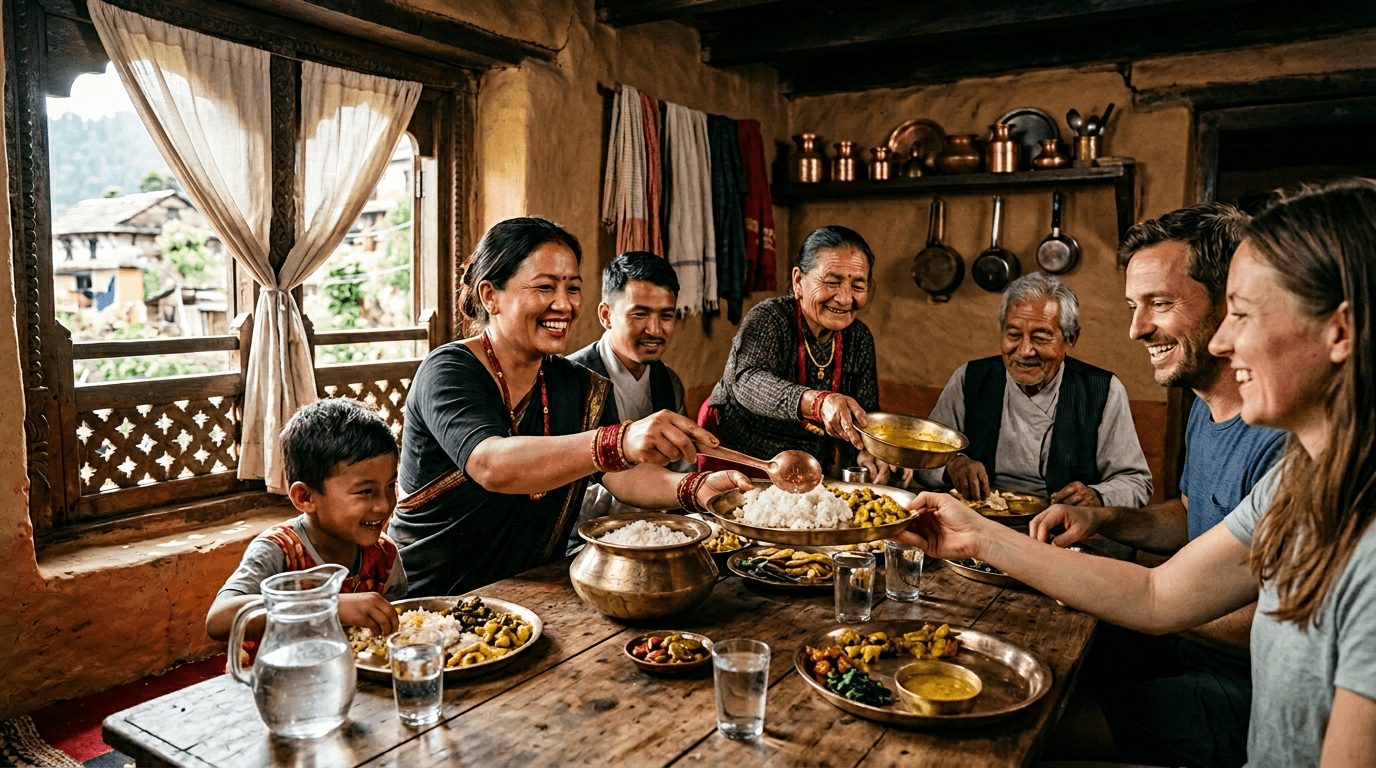
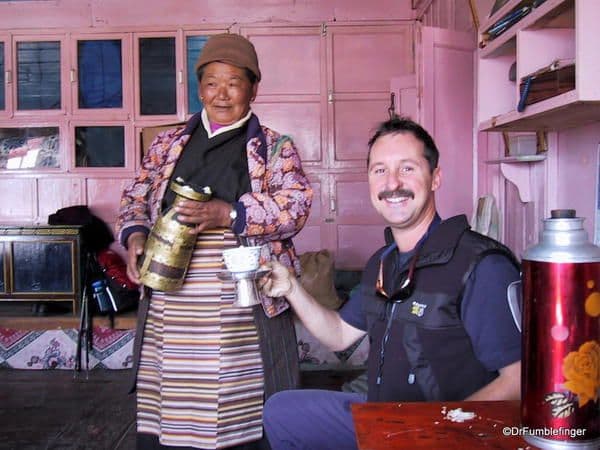
Tea appears before questions. A seat is found even when the house is full. In Nepal, the guest is woven into moral language — not as a tourist trope but as a habit learned in childhood and practiced in kitchens from the Terai to highland lodges.
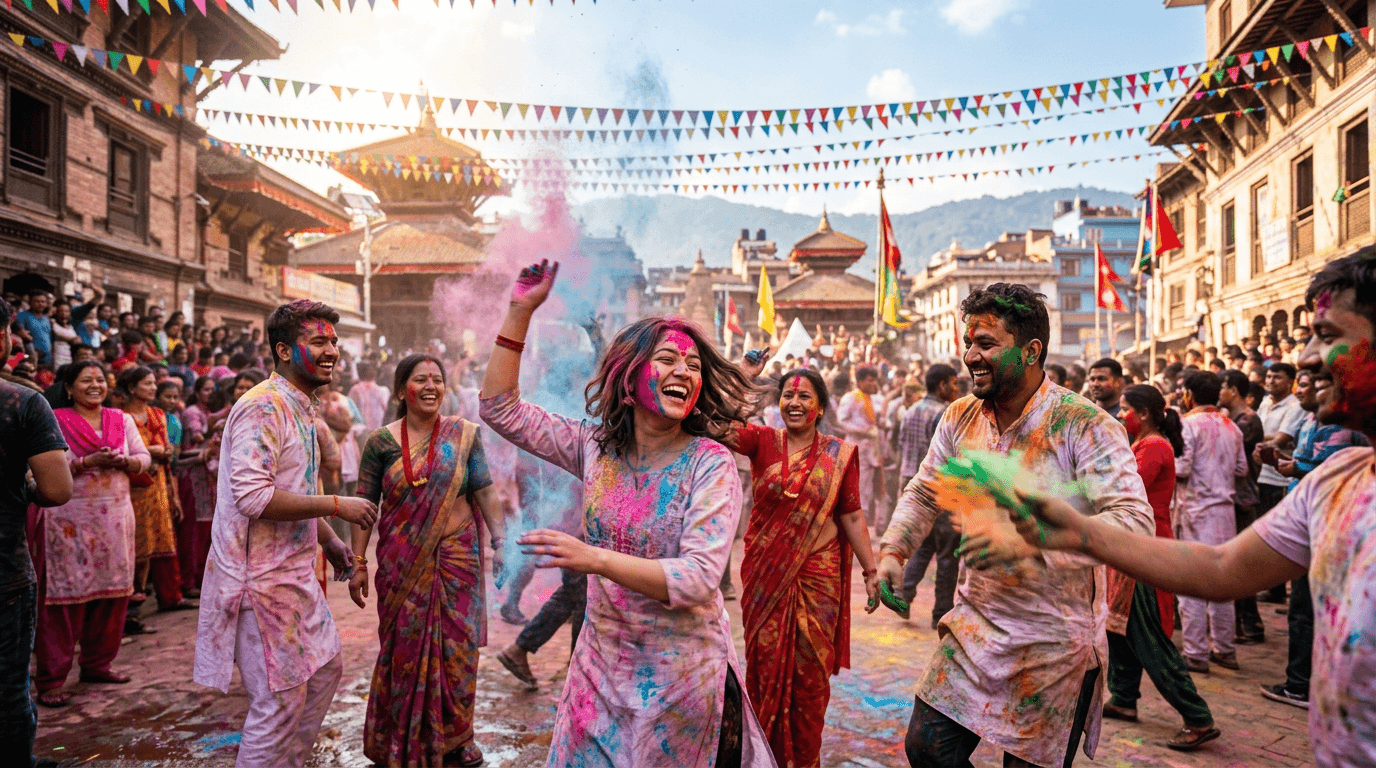
The Sanskrit-derived ethic “atithi devo bhava” — often rendered as the guest is like god — still surfaces in schoolbooks, films, and parental reminders. In practice it means second helpings, directions walked instead of pointed, and strangers folded into weddings because someone’s cousin missed the bus. Hospitality scales down to a plastic stool at a tea stall and up to entire wards coordinating feasts when a festival chariot passes.
Family structure remains the default safety net: remittances, shared childcare, elders arbitrating disputes, and adult children abroad wiring home before the roof leaks. When earthquakes or floods strike, mutual aid often arrives faster than formal relief — neighbors clearing rubble, youth clubs distributing tarps, temples pooling rice.
Values here are negotiated, not pristine: migration changes who sits at the table; urban anonymity tests older village reciprocity; young people rewrite gender roles while still touching elders’ feet on Dashain. What persists is the idea that dignity is something you extend outward — starting with the person at your door.
Historical & cultural context
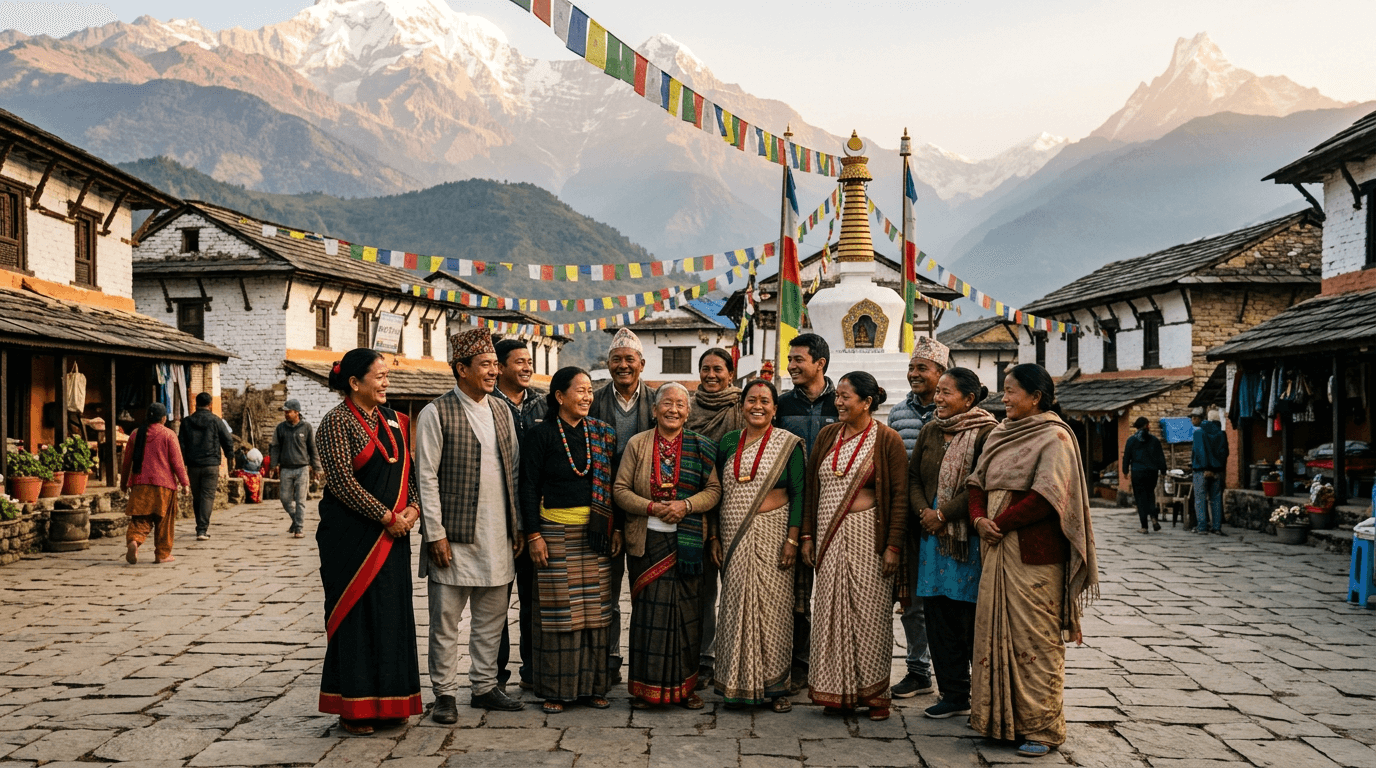
Anthropologists and colonial-era diaries both recorded Nepal’s hill and valley societies as segmentary — kin, caste, and locality overlapping — yet surprisingly fluid when crisis demanded labor exchange or refuge. National narratives after 1951 and again after 2006 reframed citizenship and inclusion, but the micro-ethic of the guest remains a portable piece of culture: it travels in songs, in airline-seat conversations, and in the insistence that a foreigner who climbs to your village must eat before descending.
Kindness here is not a brand — it is the extra plate that already existed, waiting for whoever arrived.
Photo Gallery
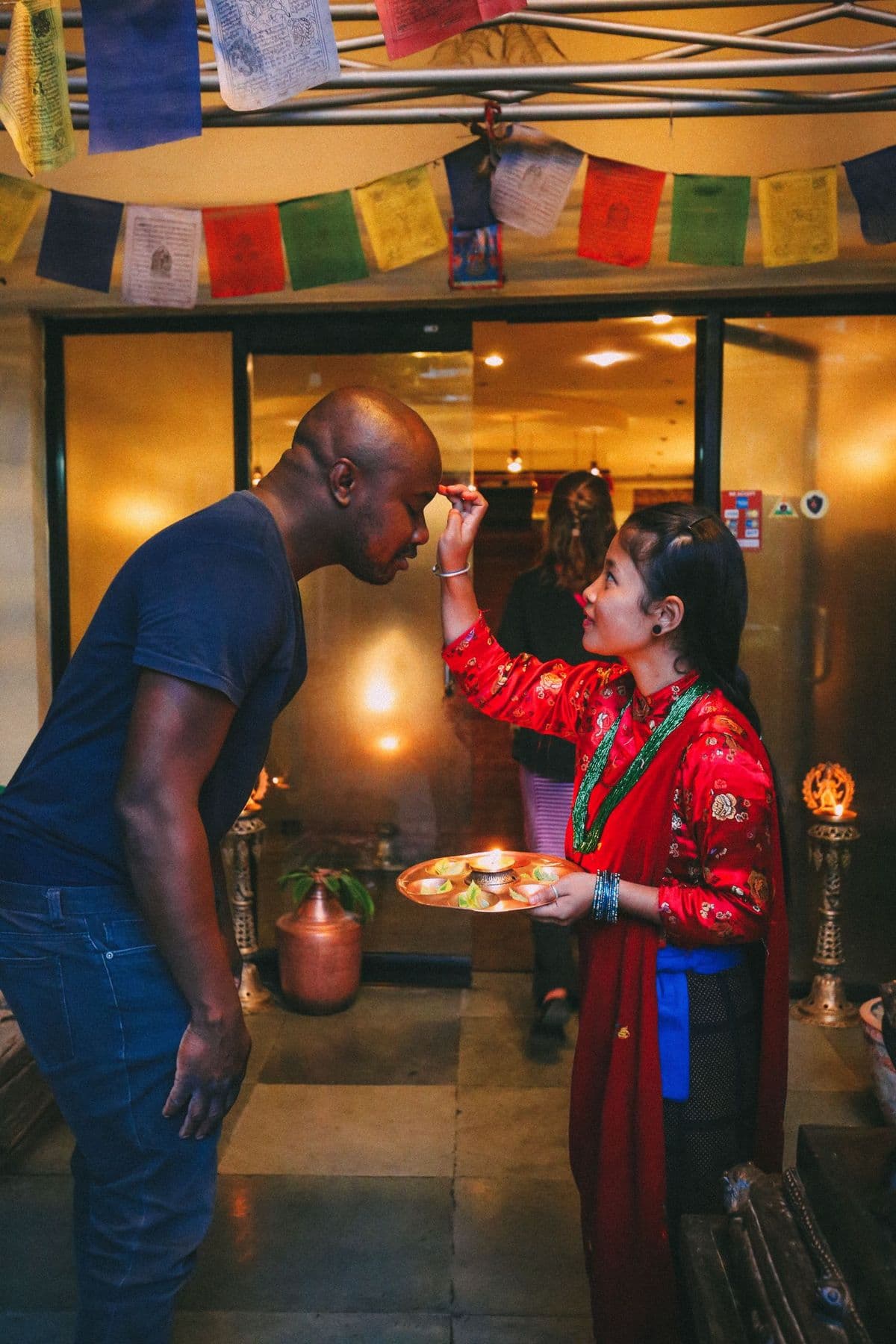
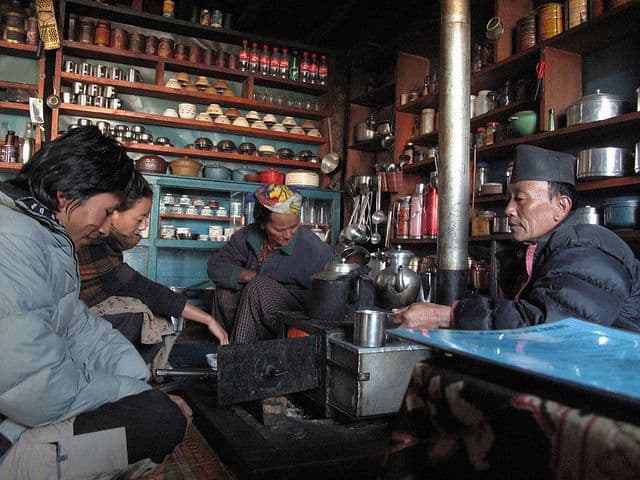
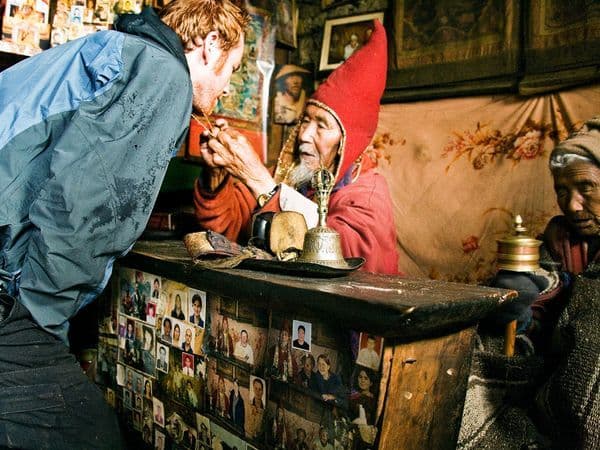
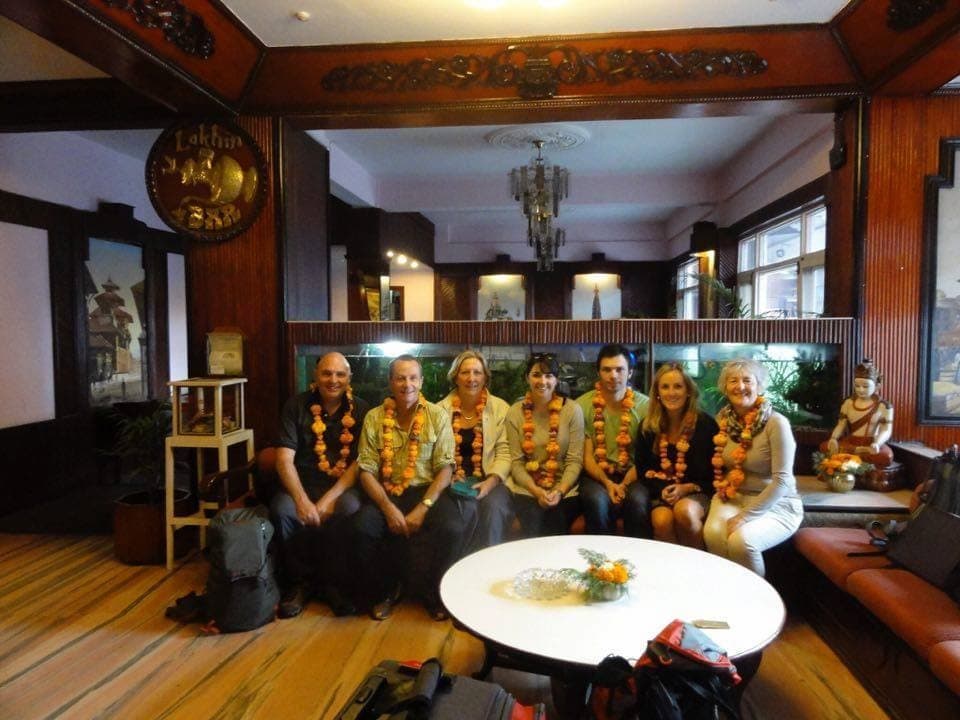
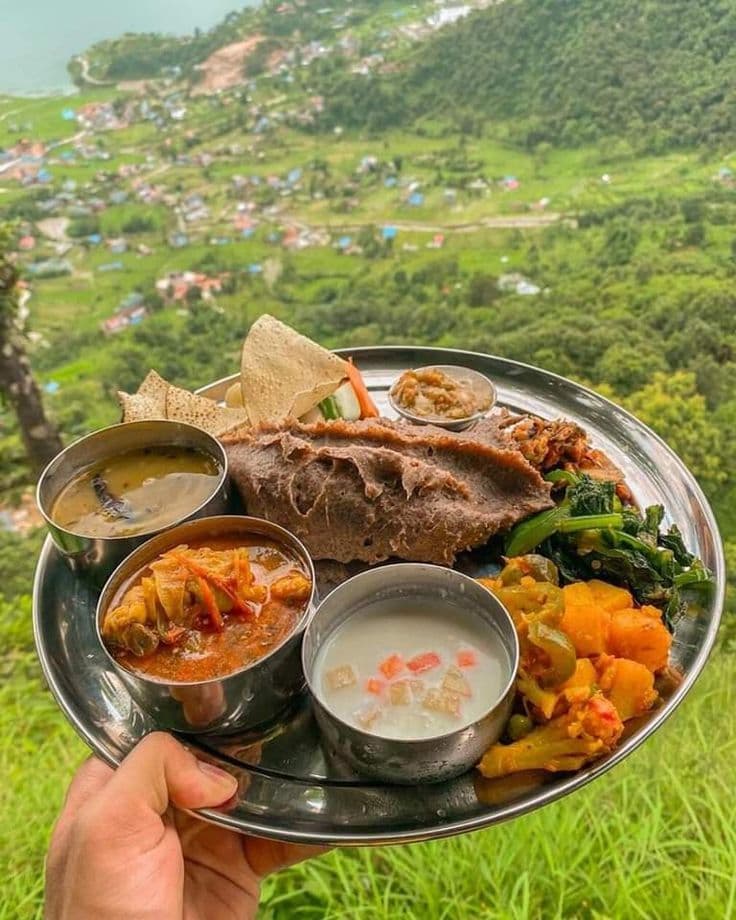
Hands, tables, and doorways — moments where welcome is offered without a brochure.
Places Where This Story Lives
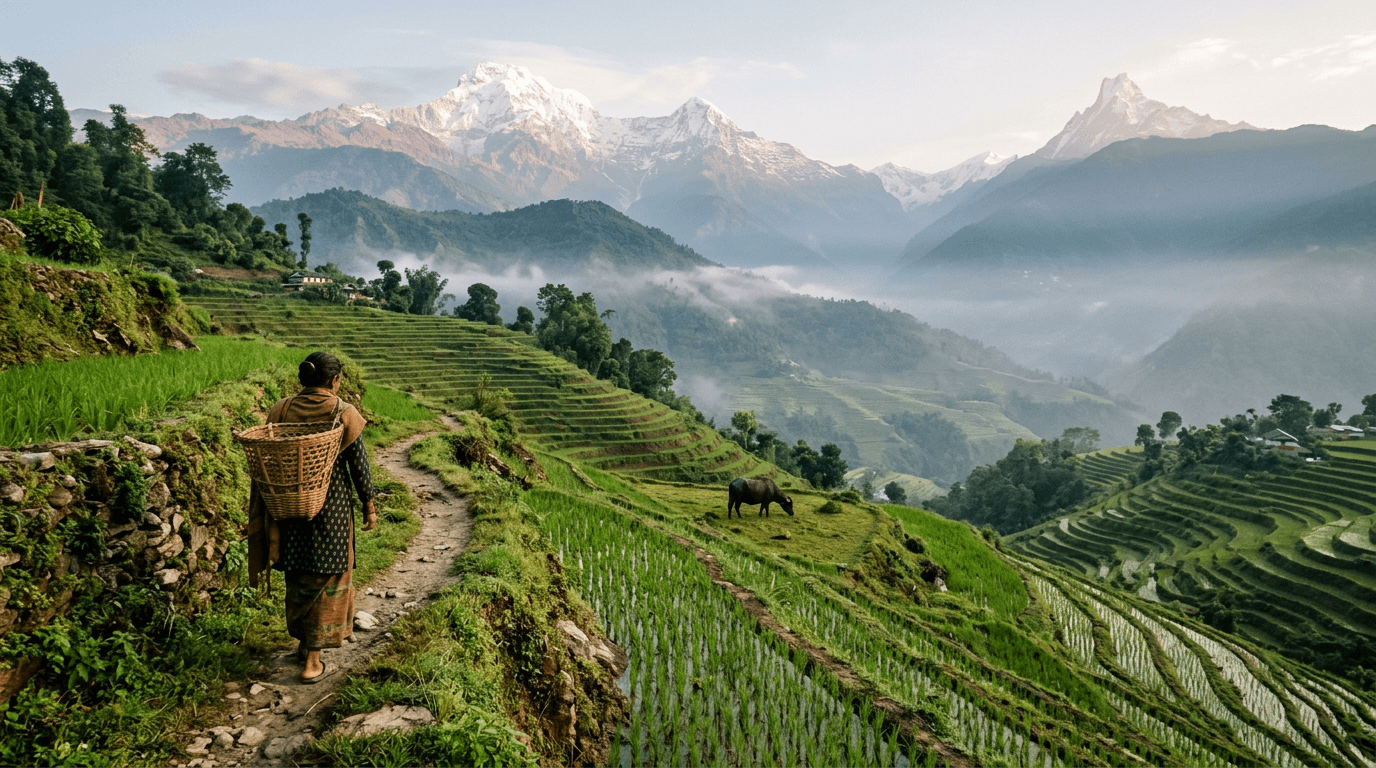
Hospitality looks different in a city flat, a Terai courtyard, or a lodge at 4,000 m — the ethic travels.
Cultural Highlights
Quick reference points — Nepal’s depth is always larger than a headline.
∞
Cups of tea
The smallest unit of welcome, repeated millions of times a day.
1
Shared phrase
“Guest as deity” — ethics taught in childhood, practiced in adulthood.
77
Districts of welcome
Terrain changes; the offer of food and shelter rarely does.
∞
Rebuilds
After shock and flood, neighbors return before the cement dries.
More to read
Continue with related themes — each story is a doorway into a different side of Nepal.
SpotNepal
Keep exploring
Browse more stories, watch clips from across districts, or add your own perspective.